Coverage extension
The repeater changes the geometry of the radio path and enables communication through a more favourable RF infrastructure point.

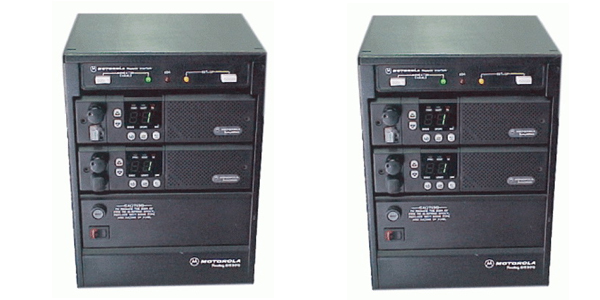
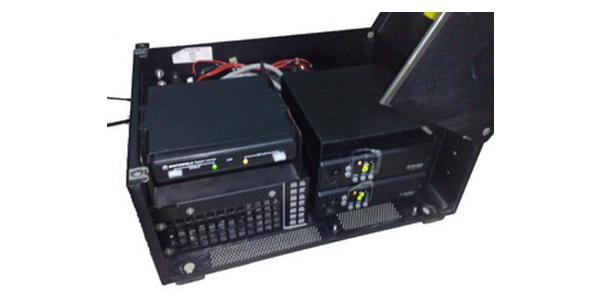
A repeater solution for extending functional coverage in buildings, at events and on field sites where direct handheld-to-mobile or handheld-to-handheld communication is insufficient. The GR300 is treated as part of the complete infrastructure together with the site, antenna, RF feeder, receive/transmit isolation and power supply.
A repeater is not a universal remedy for every range problem. If the antenna position is poor or the site is unsuitable, the repeater alone will not deliver the expected result. Before installation, the required coverage zones, available site and RF conditions are assessed, and user radios are programmed for the appropriate repeater channel.
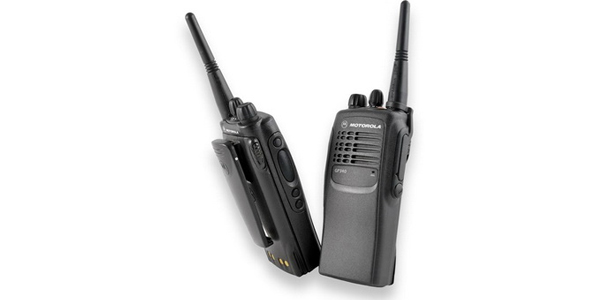
Specifications alone do not determine whether a model is right for a project. They must be considered together with the RF environment, user role, audio accessories, batteries and compatibility with the rest of the system.
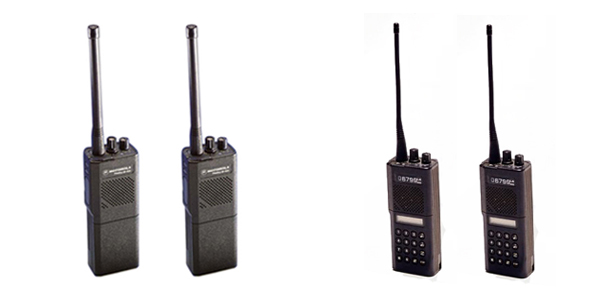
Technical and programming details for older platforms are confirmed against the actual device and available service/rental documentation before handover.
Features are not enabled simply because they appear in a catalogue. They are used only when they suit the operating scenario and are supported by the exact device variant and the rest of the system.
The repeater changes the geometry of the radio path and enables communication through a more favourable RF infrastructure point.
Users remain on handheld radios while the repeater serves as the central RF point.
Mobile and base users can operate within the same correctly programmed repeater network.
The antenna, cable, connectors and site become critical to system quality.
A temporary repeater point can be deployed for an event or project where conditions permit.
Critical zones are tested before the network is considered ready for operational use.
Batteries, charging, audio accessories, antennas and carrying method are selected according to shift duration, noise level, discretion, protective equipment and user role. Compatibility is confirmed for the actual device.
The antenna is selected for the frequency band, site and required coverage pattern.
The receive/transmit configuration must provide adequate RF isolation.
Feeder losses and connector quality affect the real efficiency of the installation.
Stable power and protection are part of the infrastructure configuration.
The physical site should be RF-favourable and technically accessible.
Handheld and mobile radios are configured for the appropriate repeater input/output plan.
For predictable operation, the programming profile, audio accessories, battery and RF infrastructure must all follow the same system plan.
The examples below are not limitations of the model; they are common scenarios where its characteristics and accessories are a practical fit within a rental system.
Backstage areas, parking, entrances and remote zones within one venue.
Multiple halls, floors, basements and metal structures.
Sites with multiple buildings or separate wings.
Zones with obstacles or an unfavourable direct radio path.
The model, accessories and infrastructure must match the site, operating method and programming plan for the specific project.
Provide the location, dates, number of users, zones and shifts. Before handover, we confirm the exact variant, compatible accessories, programming profile and functional condition of the complete set.